

If God called a man into the pastorate, the Puritans believed his life would display certain characteristics that confirmed this calling. A survey of Puritan writings on the subject reveals that the Puritans did not elevate one aspect of calling above the rest but rather sought a confluence of characteristics that demonstrated God’s wise hand of preparation. When a man established the necessary qualifications—conviction to lead and teach, competency for the work, Christ-like character, and the confirmation of God’s people—then, and only then, could he consider himself called to the ministry.
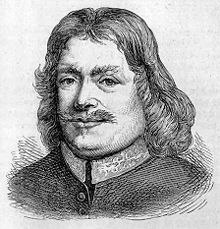
At the southwest corner of St. Peter’s green in the English town of Bedford, a bronze statue of a man sits close to the street. The man’s eyes are lifted to the sky and a Bible rests in his hands; he bears a grave expression, yet he looks ready to speak a word of truth at any moment, to plead with passersby. This, it seems, is exactly how John Bunyan would want to be remembered.
His depiction of the ideal pastor in his famous allegory Pilgrim’s Progress supplied the inspiration for the statue. With his back to the world and his gaze on the heavens, the man was among the select few authorized to guide others along their way to the Celestial City. Bunyan was typical of the Puritans in his veneration of the pastorate. With such a lofty vision for pastoral ministry, one might wonder, how did the Puritans discern who was called by God to this great work?
The Puritan Concept of Calling
The Puritan concept of calling was built on Reformation convictions about vocation. As William Perkins put it, one’s calling is a stewardship “ordained and imposed on man by God for the common good.”[1] In the Puritan mind, God appointed each person to a particular vocation for his own sovereign purposes. If God called a man into the pastorate, the Puritans believed his life would display certain characteristics that confirmed this calling. A survey of Puritan writings on the subject reveals that the Puritans did not elevate one aspect of calling above the rest but rather sought a confluence of characteristics that demonstrated God’s wise hand of preparation. When a man established the necessary qualifications—conviction to lead and teach, competency for the work, Christ-like character, and the confirmation of God’s people—then, and only then, could he consider himself called to the ministry.
Bunyan’s Call to Ministry
John Bunyan’s journey into the pastorate is a helpful illustration of how these principles worked out in one man’s life. Several years after his conversion, some observant members of his local church began to recognize his potential. As he recorded in his spiritual autobiography Grace Abounding to the Chief of Sinners, they “did perceive that God had counted me worthy to understand something of his will in his holy and blessed word, and had given me utterance in some measure, to express what I saw to others, for edification.” So, they asked Bunyan to provide a “word of exhortation” at an upcoming meeting, which in turn was well-received. As Bunyan later reported, “I discovered my gift amongst them” as the congregation was “both affected and comforted.” After he was asked to preach several more times, he began to pray and fast for wisdom. When the church appointed him to a more regular preaching role, he confessed, “I did evidently find in my mind a secret pricking forward thereto.” His heart set upon 1 Corinthians 16:15 in particular, which, in the Authorized Version that Bunyan read, spoke of the apostles having “addicted themselves to the ministry of the saints.” Feeling this same desire growing in his own heart and continuing to see fruit from his labors, Bunyan concluded, “These things, therefore, were another argument unto me, that God [had] called me to, and stood by me in this work.”[2]
Subscribe to Free “Top 10 Stories” Email
Get the top 10 stories from The Aquila Report in your inbox every Tuesday morning.